
ALTE RELOADED
Is the Nigerian Underground scene simply Alte’s Rebirth? Written by Kosanna Agubata and Ojuromi Rachel.

It is 10 pm, January 3rd, 2026, and after a month of attending every new wave event one could find and talking to numerous people, one question is resounding: “Is the Nigerian underground scene simply Alte’s Rebirth?”
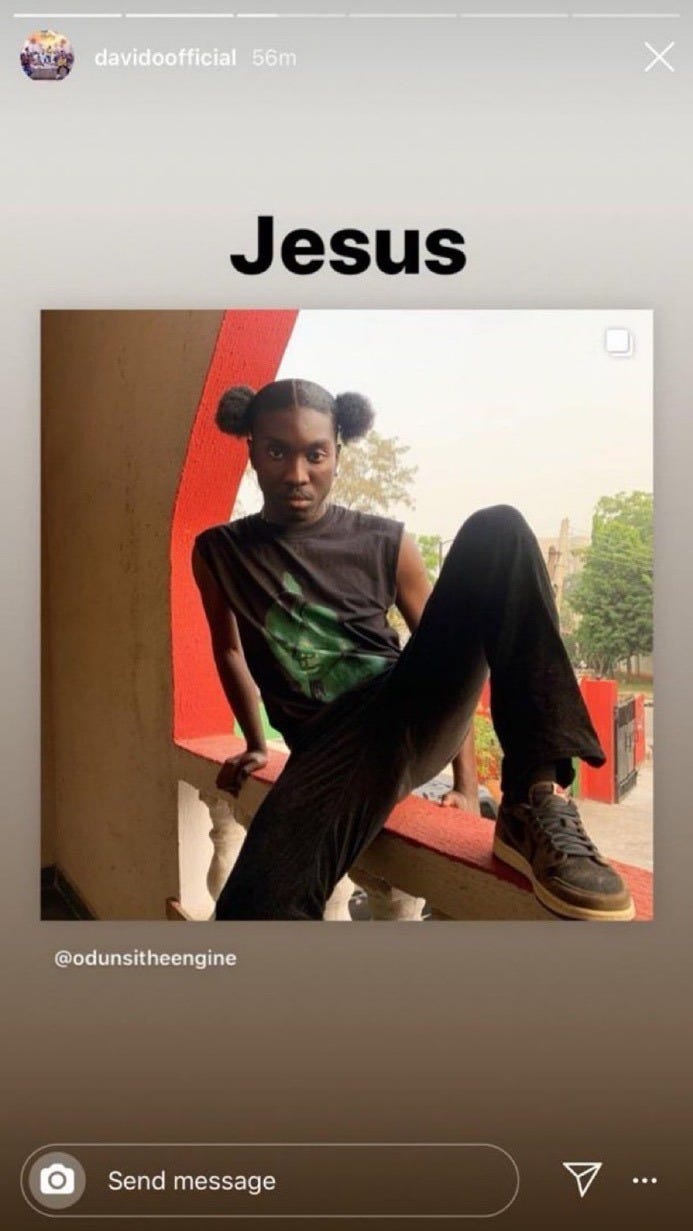
The Nigerian alte scene emerged as an interruption to mainstream Afrobeats culture. It was a break from rigid industry standards and gatekeeping, a refusal to sound or look like what the Nigerian pop culture landscape looked like at the time. Teen Vogue described alte as “a way of being that champions individualistic and non-traditional modes of expression 1. Heavily influenced by Western media and Nigerian pop culture, its front-runners, Show Dem Camp, BOJ, Cruel Santino, Odunsi the Engine, and Lady Donli, birthed a sound that was unlike anything that had ever come out of Nigeria. It was a mix of popular genres such as Reggae, RnB and Rap.
While music was the face of this movement, various media like film, fashion, print, photography, and art served as pillars of the culture with players such as Mowalola, Xiiglover, Ashley Okoli, Ademola Falomo, Vivendii, Native Mag, and Olaolu Slawn.
The alte movement gained popularity in Nigeria among the youth, but its impact was immensely felt by those who resonated with its individualistic and creative values. They had become exposed to an interpretation of expression that existed outside the confines of traditional values and societal expectations. The alte movement provided meaning to this sense of individualism that was growing in the hearts of the exposed youth. It gave them identity and thought leaders to look up to. The movement catered to an audience that had been neglected by mainstream Nigerian pop culture. While Davido might have claimed the title of the coolest kid in Africa, for the slightly weird and alternative Nigerian kid, Cruel Santino was the greatest thing since Jollof rice.
 Tiktok failed to load.
Enable 3rd party cookies or use another browser
 Tiktok failed to load.
Enable 3rd party cookies or use another browser
Having followed the scene since 2018, there was always a question of why no major Nigerian music labels had signed these artists. The music was amazing. There was an existing fanbase that did not need any more convincing. The western influences in their music, coupled with their Nigerian background, made for a sensational combination that would have appealed to international audiences. Take, for example, Rema. The influences at the beginning of his music career were obvious. It is no surprise that his music spread across the globe.
After the decision to write this piece, wondering turned into research. The first realization was that the Alte scene opened its doors to everyone, but like all matters of the industry, the upper echelons of music chose who to pick and when to support these artists. However, one can make the argument that maybe these artists did not want to be mainstream. To the participants, alte culture was not something that required a mainstream audience as its appeal and authenticity was derived from its inaccessibility to the masses. The culture was focused on building a community within itself and felt the need to protect the movement from the closed-mindedness of the mainstream Nigerian audience.
Another factor to consider was their lack of stable roots in Nigeria. When the movement was growing, the artists were migrating in and out of Nigeria 2, with a number of them in the diaspora. Even when they were in the country, the parties, concerts, and raves were limited to the confines of Lagos. There was also the mysterious demeanor of some of the artists, often reserved and offline, which is a sharp contrast to the fast-paced social media campaigns carried out by mainstream artists.
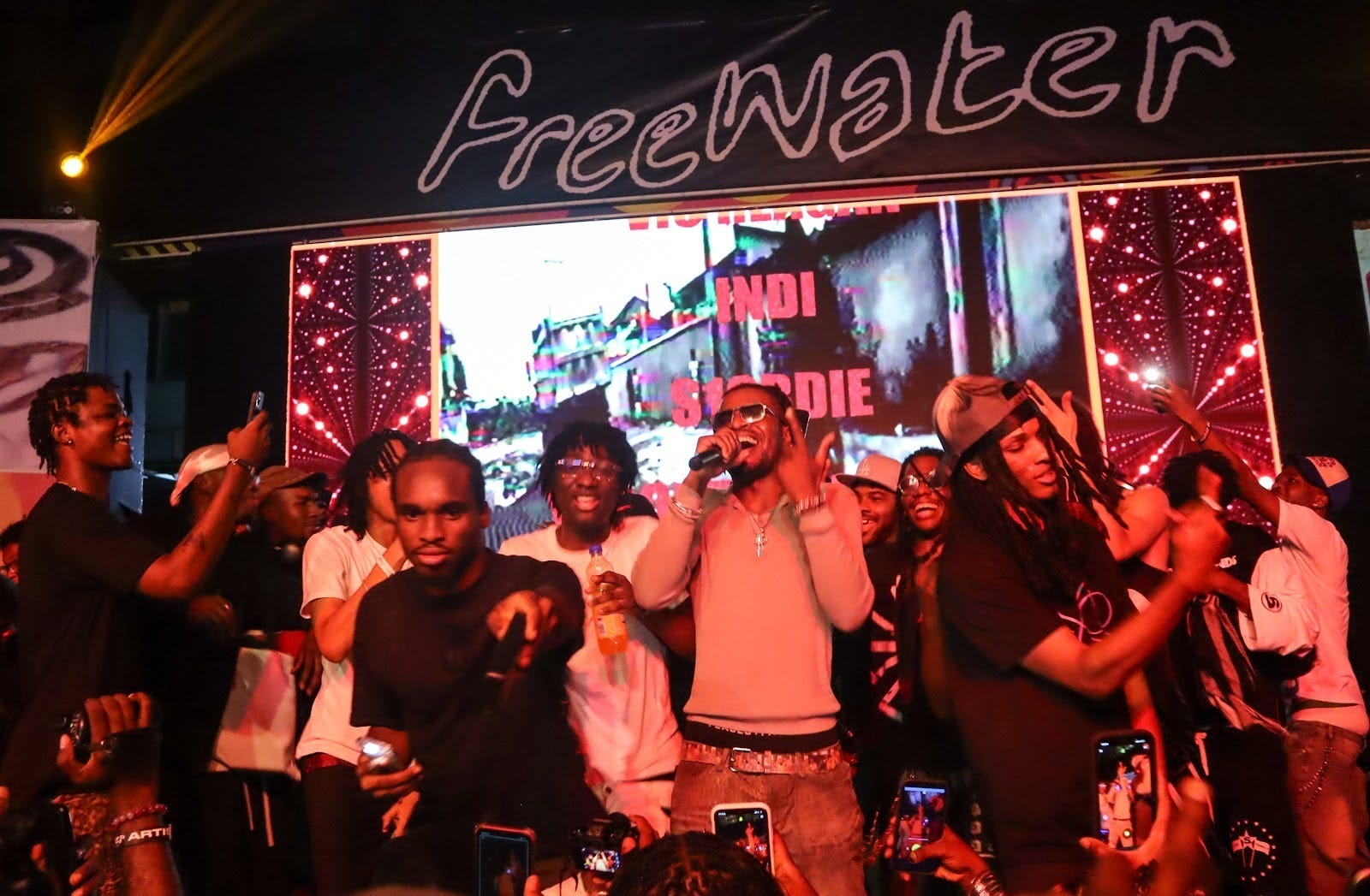
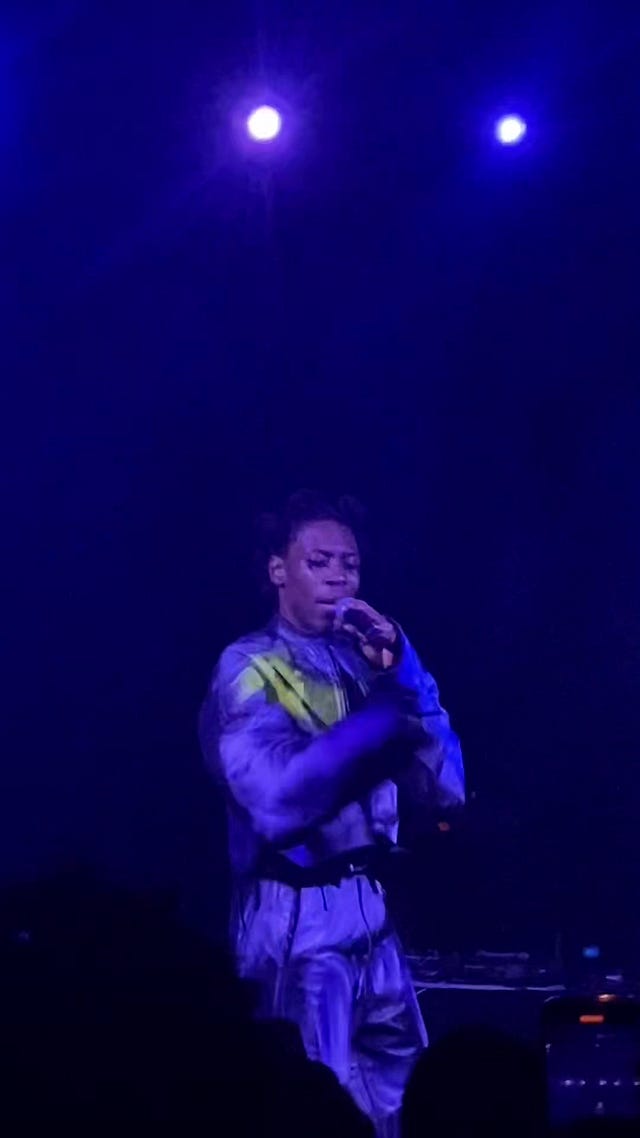
The emergence of the Nigerian underground scene further highlights the shortcomings of the alte scene. If we take a look at the rapid rise of acts such as Zaylevelten 3 and Mavo 4, who held 2025 by its neck, we see that the Nigerian underground combines the positive aspects of both Nigerian mainstream Pop culture and the Alte subculture; the hunger, relentless work-rate, and ambition seen in mainstream afrobeats acts and alte ‘s inspired community building and experimentation in the music. The Nigerian underground acts champion a more refined version of western influenced music with old-school Afrobeats references thrown in the mix. Luwa.mp4 mixes electronic pop music with old-school Afrobeats sounds to give us his own distinct version of electro pop. Wavestar flaunts his versatility on tracks from hopping on Amapiano bangers to drill and jersey beats. Artsalghul showcases his production range while delivering witty and humorous lines in his music. Zaylevelten gives a masterclass on how Western rap styles can convey the message of his lived experiences, which mirror those of his age group with similar backgrounds. Egertton digs deep to produce eerie yet powerful lyrics while still showcasing his playful and melodic side. Other acts include Scotty Olorin and Tochi Bedford. The underground scene could not be what it is without the producers, DJs, and A&R’S, Emyboi, Elemen3, believeallthings, and Onaedo who make and shape the magic that gives us the special tracks we spin daily. Unlike the alte movement, acts are not limited to Lagos, as we have artists such as Rowdy B and Monochrome in Abuja, Hebronola in Ibadan, and even S1ordie and Blaccboy in Atlanta. With a multitude of shows and festivals like Freewater Fest in Lagos, Nirvana in Abuja, Frenzy by Mega City Ent. in Ibadan, underground fans in these cities now have the chance to interact and support the artists.
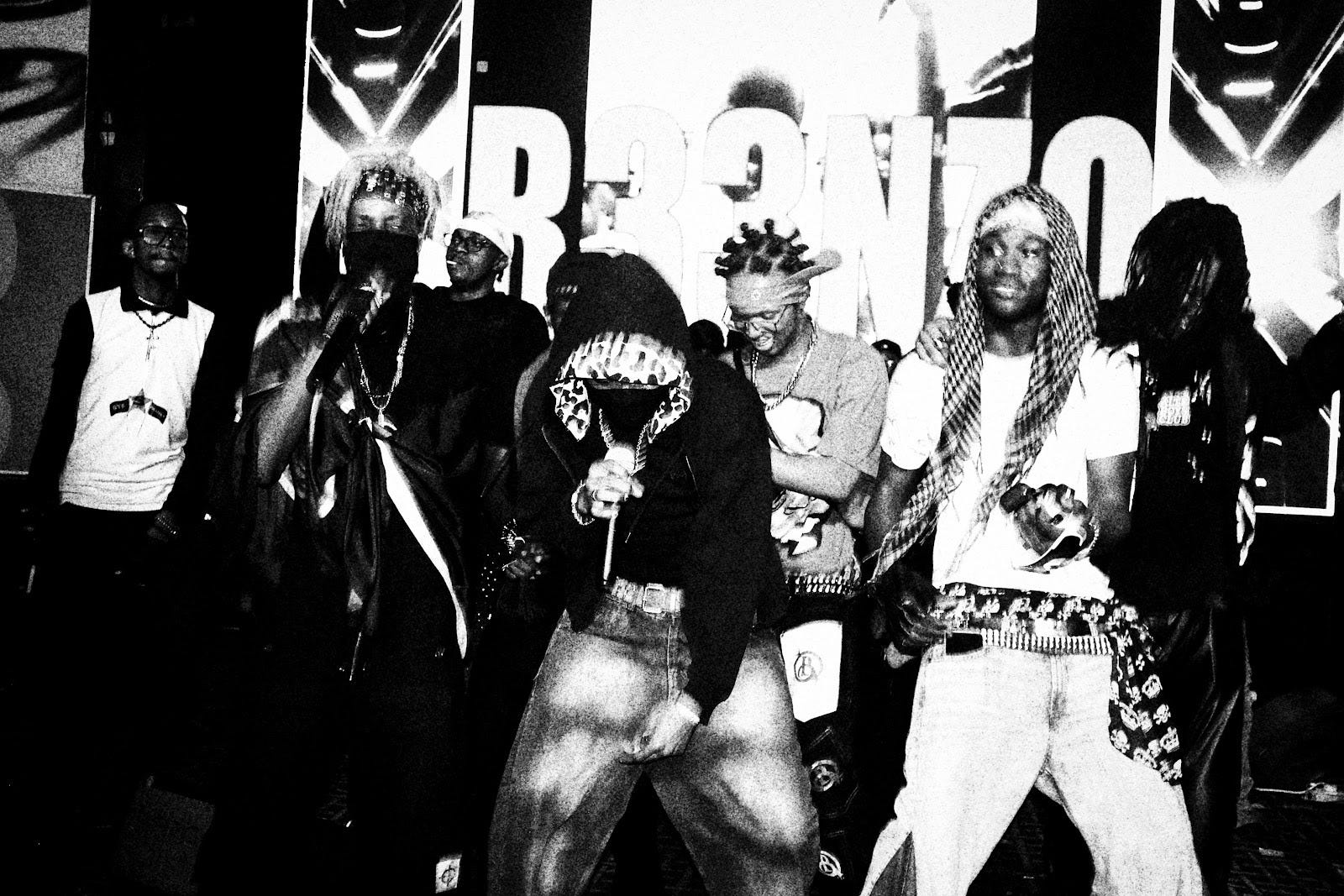
They also have strong ties to the Nigerian fashion and art industry, with brands such as Bolapsd, Thirsty, Go Crazy, Jnwrld, etc., who support the branding and identities of underground acts. They collaborate with artists like Perez Saintbill and Outezok to work on album covers and project rollouts. These interactions serve as a form of cross-promotion and visibility that benefits all parties because the musicians also provide them access to a wider audience. There is also a direct connection between the models and influencers of the underground scene and all parts of its culture, with people like Colman Foster, Maeverse, Ome, and Stargirlkams constantly sharing music and fashion via videos and pictures, because the underground scene emerged in the midst of such a prominent social media age.
Despite the differences, one cannot have an honest conversation about the Underground scene without talking about the Alte movement. We could even go as far as calling the Cruel Santino Subaru world stream the unveiling of these acts to the world. Santi also directs music videos for underground acts, the most recent one being DTMMB by Indii. Odunsi the Engine hosts recording camps and collaborates with the likes of Tito and Txmmyily. He also worked with Paxslim on the Fanluv event series that held in Lagos and Abuja. It seems as though the alte movement has adopted the underground without overshadowing it.
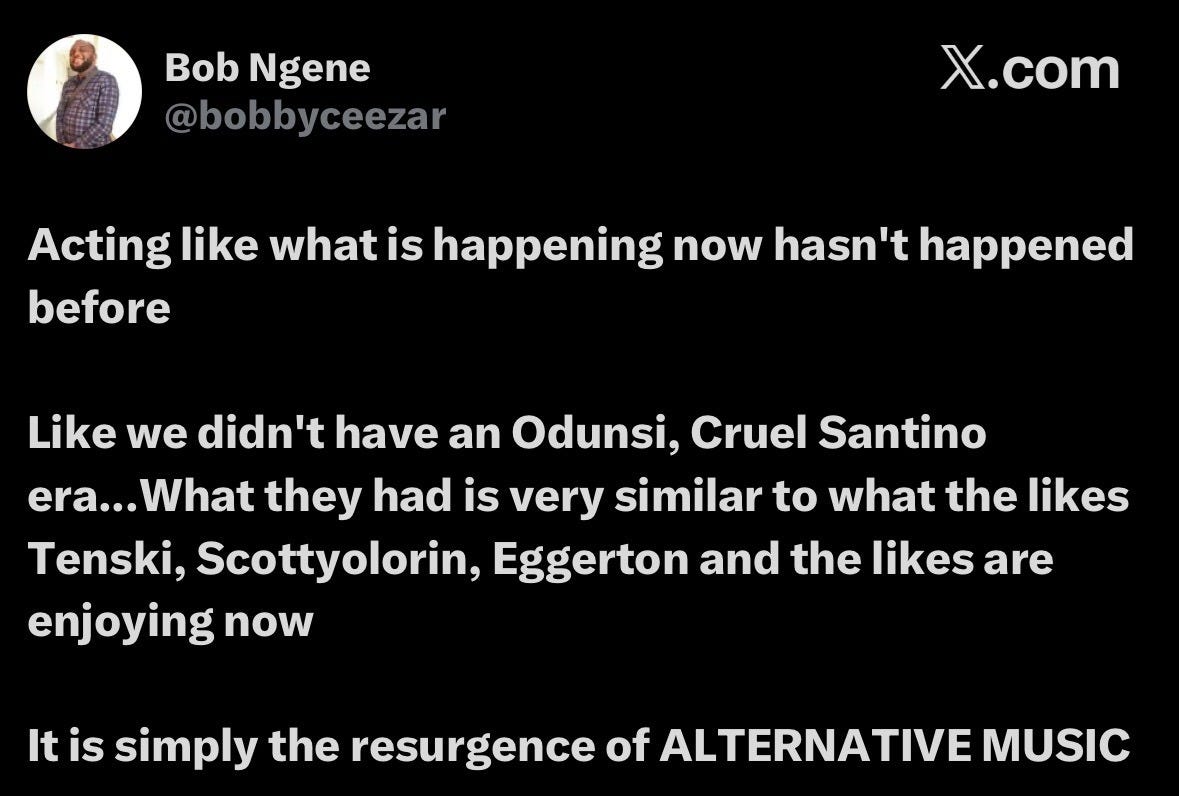
But while many conclude that the underground is just alte reborn, it is not as simple as that. The underground is its own game with its own worldbuilding and players. Some factors may overlap, and similarities might appear here and there, but do not be mistaken. The underground is taking a different route, the alte acts are simply aiding them on the journey.
Now this raises another question: What does this mean for the alte acts? Are they now industry leaders or still talents?
Contributor: Debby Fasingha
Editor: Daniella Almona
References:
https://www.teenvogue.com/story/origins-of-the-alte-movement
https://www.interviewmagazine.com/music/its-cruel-santino-world-youre-just-listening-to-it
https://www.deedsmag.com/stories/zaylevelten-is-redefining-hip-hop-for-his-generation
https://www.billboard.com/music/music-news/mavo-november-african-rookie-of-the-month-1236120145/
This is a well-written article, though people may never truly feel satisfied on both sides, whether from the Alte or UG scenes, as they might feel there's some form of encroachment or misrepresentation of their true essence. That said, this is a solid piece for an outsider, or someone looking to understand the meaning and history of these movements, a sense of what they represent. I do agree that many of these new underground artists were/are fans of the Alte scene, so there are clear lines and similarities to draw between the two. However, this new underground wave has also expanded into many more facets, which is why some may feel dissatisfied or even insulted by the comparison. But overall, Afrobeats is the mainstream in the country, so anything different could easily be classified as 'Alte.' In a true English sense, yes, these are alternative artists to the mainstream. But as stated in the article, even in their similarities, they are very different and have their own distinct goals.
Did anyone go to cyk fest in Lagos. It had me thinking about the connections between Atlanta and Lagos’ underground scene considering Atlanta’s vast Nigerian population. Great read!